SMART CITY SOLUTION
Challenges of Smart Cities under Weather and Lightning Risks
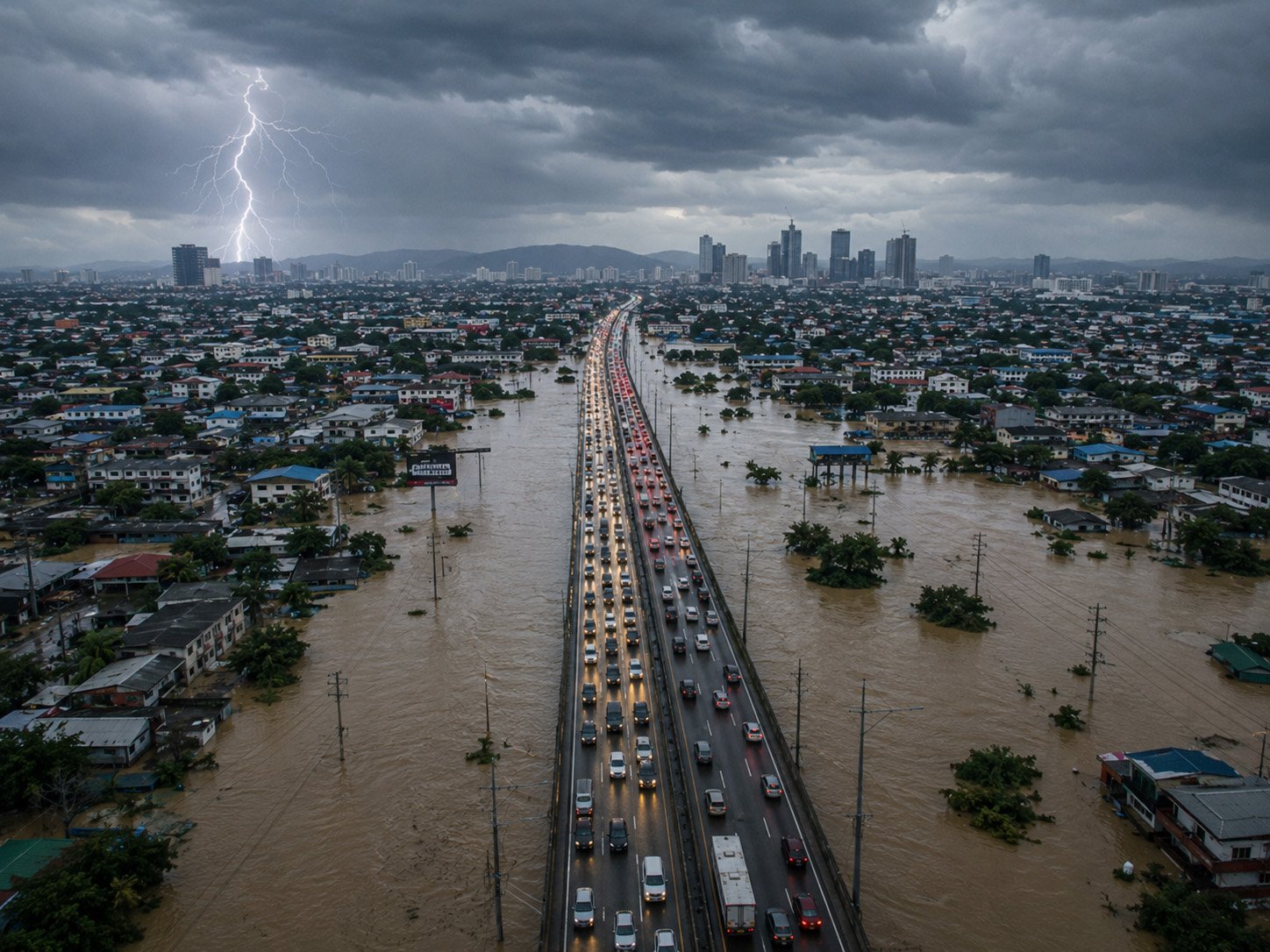
Modern cities are increasingly facing challenges from severe weather conditions and unexpected events that occur more frequently and are difficult to predict, such as heavy rainfall, lightning strikes, and flash floods.
These incidents can directly affect public safety, the continuity of public services, transportation systems, and the city’s economic activities. As a result, city management can no longer rely solely on reactive responses. Instead, it requires reliable data, proactive monitoring, and rapid decision-making at the operational level.
Why Cities Need Risk Management
- Cities are centers of population, transportation networks, and critical infrastructure. A single severe weather event can create wide-ranging impacts that are difficult to control.
- Severe weather conditions such as heavy rainfall, lightning strikes, floods, and fires can directly affect public safety and the continuity of public services.
- A lack of timely data and early warning systems can delay decision-making, increase losses for citizens, and negatively impact the city’s image and public confidence.
KEY RISKS FOR SMART CITIES

Risks to Public Safety
- Lightning strikes in open areas and public spaces during outdoor activities
- Severe weather events and flash floods occurring without timely early warning alerts

Risks to Urban Infrastructure
- Lightning strikes and power surges can damage buildings, electrical systems, and communication networks
- City control systems or pumping stations may stop operating during critical situations, preventing timely response and effective incident management

Risks to the City’s Economy and Image
- Economic zones and tourism areas may experience disruption
- Public confidence and investor trust may decline due to insufficient preparedness or delayed response
Why Smart Cities Need Technology and Intelligent Systems
Modern city management requires:
- Real-time data on weather conditions, water levels, and potential risks
- Advanced analytics and forecasting systems for early prediction
- Early warning systems that can reach both the public and operational teams in a timely manner
- A centralized command center that enables systematic decision-making, coordination, and response management
Benefits of Systematic City Management
- Reduces risks to citizens’ lives and property
- Enhances the readiness and continuity of urban infrastructure
- Supports operational decision-making for city administrators
- Strengthens the city’s image as a safe and sustainable Smart City
TOTAI SMART CITY SOLUTION
An Integrated Smart City Solution Combining Digital Technology and Lightning Protection
Turning urban risks into manageable challenges.

SMART URBAN MANAGEMENT SYSTEM
A centralized Operations Center designed to enhance the efficiency of city management.
- A system for collecting, analyzing, and visualizing water and weather data to support city management and emergency decision-making.
- An intelligent forecasting and early warning system for lightning and severe weather risks, providing hyperlocal alerts in advance to help reduce risks to lives and property.
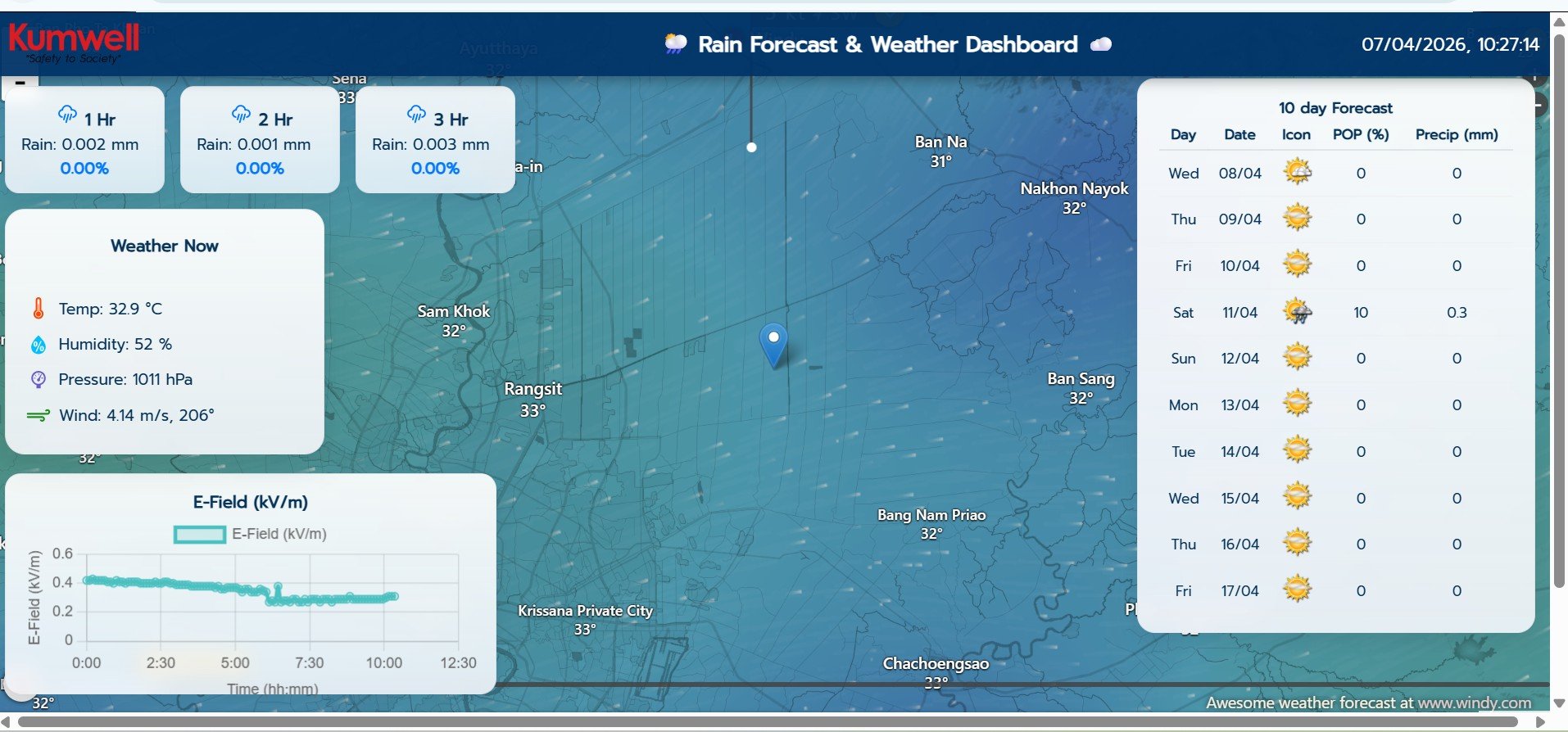
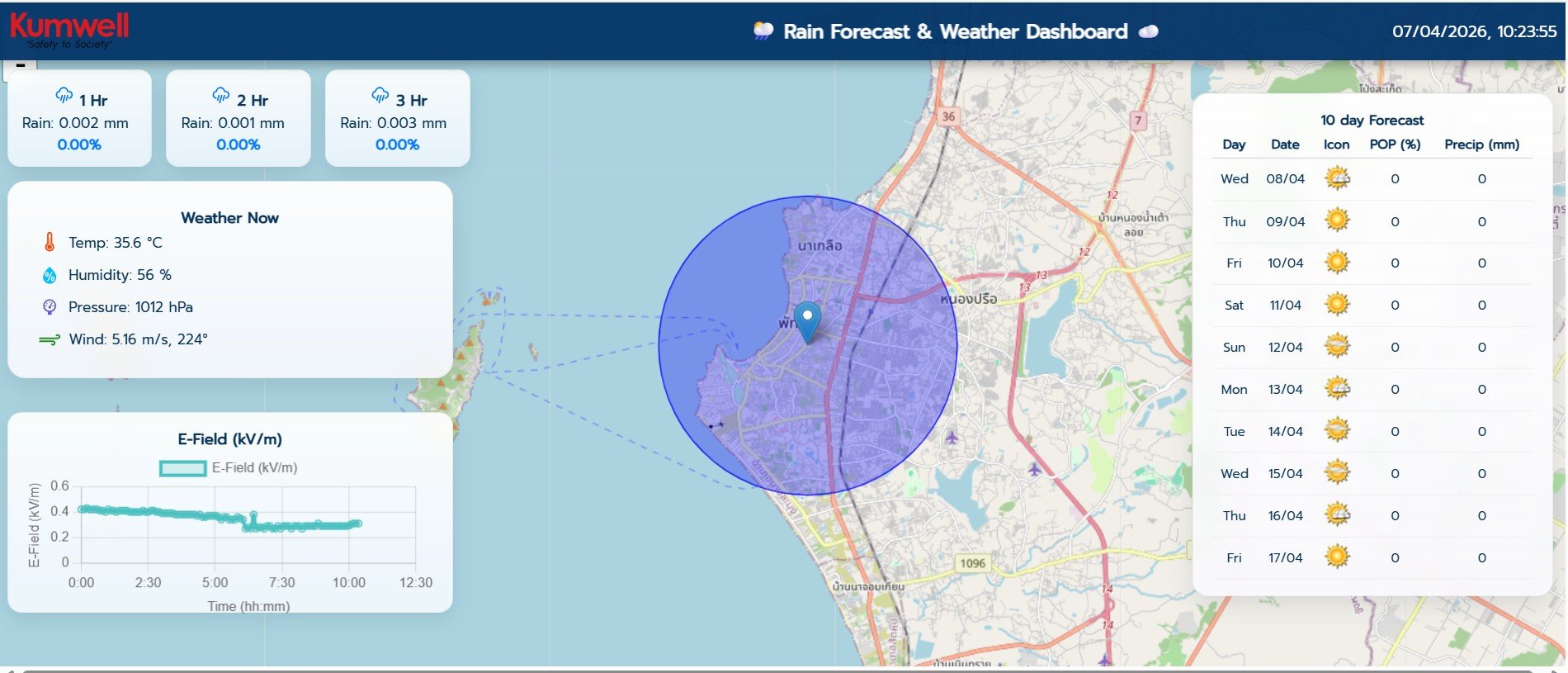
- A smart water and drainage management system, including rainfall forecasting and pumping station control, to improve preparedness and response to heavy rainfall and flash floods.
- Multi-system risk assessment, preventive maintenance, and early anomaly detection to reduce urban disruptions.
- Historical data storage for detailed risk analysis and long-term planning.
SMART LIGHTNING WARNING SYSTEM (SLWS)
A real-time lightning warning system that integrates E-field sensors with the Global Lightning Network to provide both predictive and real-time lightning risk alerts.
- Enhances lightning safety for people in outdoor areas and locations with high lightning exposure through both advance risk analysis and real-time monitoring
- Supports early decision-making and emergency response management
- Reduces life-threatening risks during outdoor activities
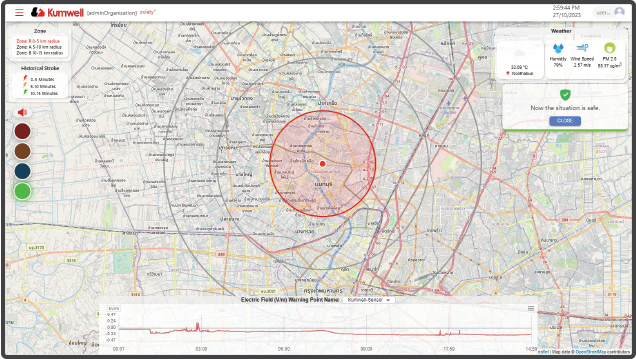
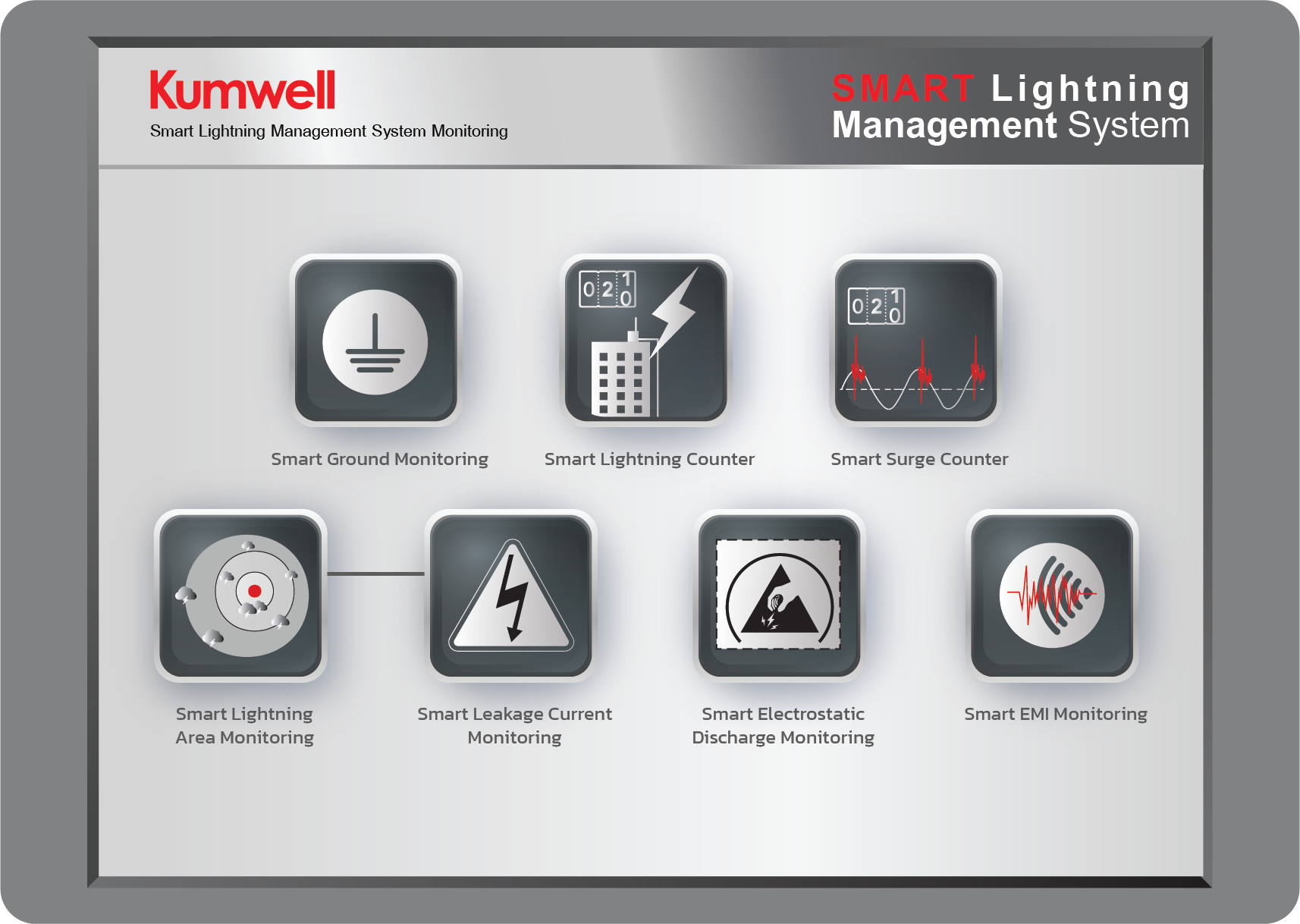
SMART LIGHTNING MANAGEMENT SYSTEM (SLMS)
A real-time lightning warning system that integrates E-field sensors with the Global Lightning Network to provide both predictive and real-time lightning risk alerts.
- Centrally monitor the status of lightning protection systems, grounding systems, and surge protection systems
- Monitor system status and lightning events to prevent damage and reduce downtime of critical infrastructure
- Support preventive maintenance planning to ensure continuous system readiness
- Provide real-time status notifications and abnormal condition alerts
- Enhance life safety in public areas